
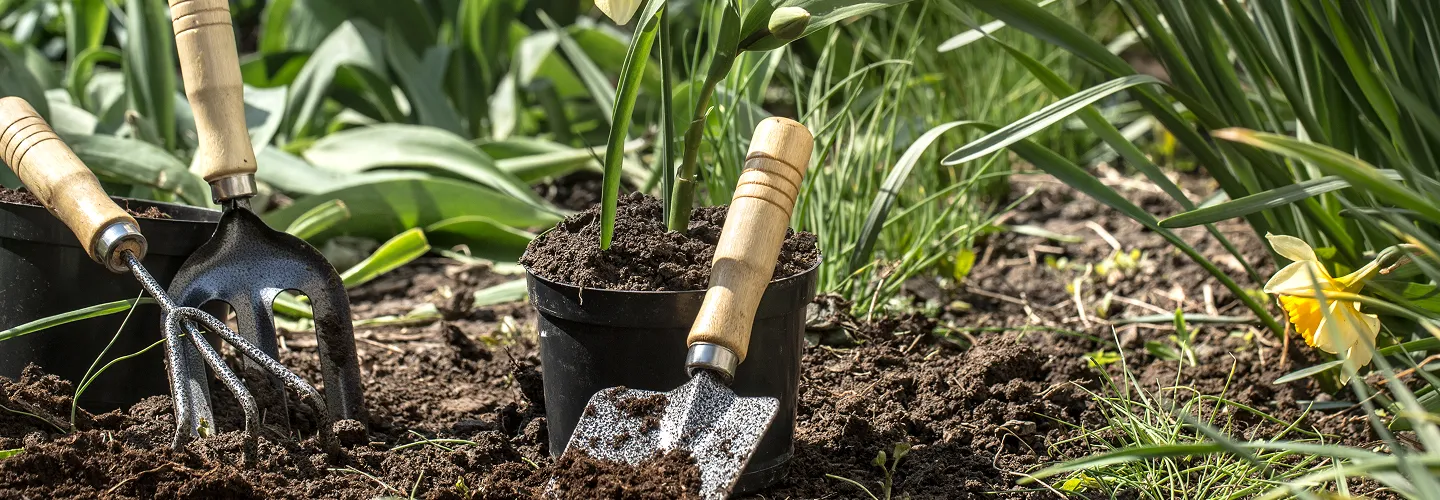
Warren Lawn Edging Services
Choose our expert lawn edging for a polished, professional look that enhances curb appeal, prevents grass overgrowth, and makes yard maintenance effortless.
Get a Free QuoteOur Warren Landscaping & Yard Care Services
When to Schedule Lawn Edging in Warren, Rhode Island – Seasonal Guide
In Warren, Rhode Island, the best times to schedule lawn edging are typically in early spring and late summer. The town’s coastal climate, with its moderate humidity and proximity to the Kickemuit River, means that lawns often emerge from winter dormancy in March or April, making this an ideal window for defining crisp edges before new growth accelerates. Late summer, after the peak heat and before autumn rains, is another excellent period—especially in neighborhoods like Touisset and the historic district near Water Street, where mature trees and shaded yards can influence grass growth patterns.
Local environmental factors play a significant role in determining the optimal timing for lawn edging. For example, Warren’s average last frost date falls in mid-April, so it’s wise to wait until after this point to avoid damaging tender turf. Areas with dense shade, such as those near Burr’s Hill Park, may require more frequent edging due to slower grass recovery, while properties with sandy soils along Market Street might benefit from edging after periods of heavy rain to prevent soil erosion. For more information on local climate and landscaping guidelines, visit the Town of Sudbury’s resource page.
Local Factors to Consider for Lawn Edging in Warren
- Tree density and shade coverage (affects grass growth and edge definition)
- Soil type (sandy vs. clay, especially near waterfronts)
- Precipitation patterns and drought risk
- Proximity to landmarks like Burr’s Hill Park or the Kickemuit River
- Municipal restrictions or seasonal maintenance guidelines
- Terrain and slope, particularly in older neighborhoods
- Timing of last frost and first freeze dates
Benefits of Lawn Edging in Warren

Enhanced Curb Appeal
Weed Growth Prevention
Defined Landscape Borders
Low Maintenance Solutions
Increased Property Value
Professional Installation Expertise

Warren Lawn Edging Types

Steel Lawn Edging
-
Plastic Landscape Edging
-
Brick Garden Borders
-
Natural Stone Edging
-
Concrete Curb Edging
-
Wooden Landscape Borders
-
Rubber Lawn Edging
Our Lawn Edging Process
Site Evaluation
Marking Edges
Cutting the Edge
Debris Removal
Final Inspection
Why Choose Warren Landscape Services
-
Warren Homeowners Trust Us
-
Expert Lawn Maintenance
-
Competitive Pricing
-
Professional Team
-
Satisfaction Guarantee
-
Personalized Service
-
Reliable Scheduling
Warren’s Glacial Till Soils and Lawn Edging Depth Requirements
Lawn edging in Warren, RI must account for the town’s predominant glacial till soils, which are typically rocky, moderately acidic (pH 5.5-6.5), and often poorly drained. According to the USDA Web Soil Survey, common series such as Newport and Bridgehampton loams require edging depths of 3-4 inches to ensure stability and prevent root encroachment. Soil compaction is frequent in developed areas, necessitating mechanical edging tools with reinforced blades. For optimal results, incorporate 2-3 inches of compost into the top 6 inches of soil along edge lines. Soil testing is recommended every 2-3 years, with services available through the University of Rhode Island Cooperative Extension.
Warren RI Department of Public Works
514 Main Street, Warren, RI 02885
Phone: (401) 245-0200
Official Website: Warren RI Department of Public Works
provides guidance on soil management and municipal standards for landscape modifications.
Municipal Lawn Edging Ordinances and Equipment Operation Hours in Warren
Warren enforces specific municipal ordinances for landscape maintenance, including lawn edging. Equipment operation is permitted during the following hours:
- Monday-Friday: 7:00 AM - 7:00 PM
- Saturday: 8:00 AM - 6:00 PM
- Sunday and holidays: Prohibited Noise levels must not exceed 85 decibels at property lines, and all power equipment must be fitted with functional mufflers. Edging along public sidewalks or rights-of-way requires a permit from the Building & Zoning Department, with a standard application fee of $50 and a review period of 7-10 business days. All debris generated must be collected in biodegradable bags or 32-gallon containers for Thursday curbside pickup, April through November.
Warren RI Building & Zoning Department
514 Main Street, Warren, RI 02885
Phone: (401) 245-7343
Official Website: Warren RI Building & Zoning Department
oversees permit applications and compliance with local codes. Full ordinance details are available in the Warren RI Town Ordinances.
Stormwater Compliance and Wetland Buffer Zones for Lawn Edging in Warren
Lawn edging activities in Warren must comply with the town’s MS4 stormwater permit and the Clean Water Act. No soil, mulch, or grass clippings may be deposited in storm drains or within 25 feet of wetlands, as defined by the Rhode Island Environmental Rights Act. Properties adjacent to the Palmer River, Warren River, or local wetlands must maintain a 25-foot no-disturbance buffer, and all edging work within this zone requires review by the Conservation & Environmental Services office. Prohibited practices include the use of herbicides or fertilizers within 50 feet of water bodies. For further guidance, consult the Rhode Island Department of Environmental Management and the EPA Region 1.
Warren RI Conservation & Environmental Services
514 Main Street, Warren, RI 02885
Phone: (401) 245-7343
Official Website: Warren RI Conservation & Environmental Services
provides oversight for buffer compliance and environmental review.
Seasonal Timing and Weather Considerations for Lawn Edging in Warren’s Coastal Climate
Warren’s USDA Hardiness Zone 6b-7a and coastal microclimate influence the optimal timing for lawn edging. Edging is best performed in spring (April 15 - May 30) or early fall (September 1 - October 15), when soil temperatures range from 50°F to 65°F and moisture levels are moderate. Avoid edging during summer heat (June-August) to prevent turf stress and soil compaction. Monitor local weather forecasts through the National Weather Service Boston/Norton Office to avoid scheduling work during heavy rainfall, which can cause soil erosion and runoff. For up-to-date climate data and recommendations, refer to the University of Rhode Island Cooperative Extension. Key timing guidelines include:
- Spring: April 15 - May 30 (soil temp 50-65°F)
- Fall: September 1 - October 15 (before first frost)
- Avoid: June-August (heat stress period)
What Neighborhoods Do We Serve Throughout Warren, RI?
- Touisset Point: Characterized by sandy loam soils and proximity to the Palmer River, requiring careful buffer management and erosion control during edging.
- Warren Waterfront District: Dense development and historic properties with compacted urban soils; edging must comply with strict setback and noise ordinances.
- Orchard Avenue Area: Features mature landscaping and larger lots, often with poorly drained glacial till soils that necessitate deeper edging and regular soil amendment.
- Metacom Avenue Corridor: High-traffic area with mixed commercial and residential properties; access limitations and right-of-way permits are common considerations.
- Market Street Historic District: Historic district status imposes additional review for landscape modifications, and edging must respect heritage tree root zones.
- Child Street Vicinity: Smaller lots and frequent utility easements require precise edging to avoid underground infrastructure and maintain clear property boundaries.
- Birchswamp Road Area: Proximity to conservation land and wetlands means strict enforcement of buffer zones and environmental compliance for all edging activities.